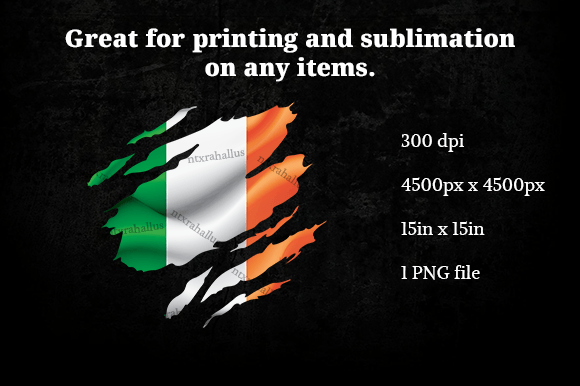
Ireland Ripped Flag PNG
As an embroidery designer and product reviewer, I’ve evaluated countless digital designs for real-world use. Ireland Ripped Flag PNG caught my attention not just for its visual appeal but for how it translates into practical embroidery projects. This watercolor-style flag design with a transparent background offers versatility, but like any digital file, it has strengths and limitations that need careful consideration before use.
First Impressions: A Bold and Expressive Design
The Ireland Ripped Flag PNG immediately conveys a sense of movement and emotion. The rip in the flag suggests something dynamic—perhaps a moment captured in time or a symbolic gesture. The watercolor aesthetic adds a softness that contrasts with the sharpness of the tear, making it visually engaging. The layout is clean, with clear negative space that allows the design to breathe. It’s a strong candidate for custom apparel, especially when paired with bold thread colors to emphasize the contrast between the fabric and the tear.
This design feels most at home on items that can showcase its personality—tote bags, sweatshirts, and baby clothes. Its simplicity makes it adaptable, but its unique character also means it needs to be used thoughtfully to avoid looking out of place.
Real-World Embroidery Performance
When considering Ireland Ripped Flag PNG for real embroidery projects, the first thing to note is how it translates through different mediums. As a machine embroidery design, it works well on flat surfaces like t-shirts, tote bags, and aprons. However, the design’s complexity—especially the rip and the watercolor texture—requires attention to stitch density and stabilizer use.
For custom apparel, the design holds up nicely on medium-weight fabrics. But on thin or stretchy materials, the detail might get lost or distorted. In such cases, using a heavier stabilizer and adjusting the stitch density can help maintain clarity. For baby clothes, where softness and safety are priorities, this design may need to be simplified or adapted to avoid potential irritation from dense stitching.
On curved surfaces like caps or hats, the design can be challenging. The rip may not align properly, and the overall shape could look uneven. If you’re planning to use Ireland Ripped Flag PNG on a cap, consider resizing or modifying the design slightly to fit the curve without distortion.
Where to Use It Carefully
There are a few scenarios where Ireland Ripped Flag PNG might not perform as expected. Small hoop sizes, for example, can limit the ability to capture the full detail of the design. If you’re working on a patch or a small item, you may need to break the design into sections or scale it down accordingly.
Textured fabrics, such as denim or corduroy, can affect how the design appears. The raised surface might make the stitches stand out more than intended, altering the original look. Similarly, dark fabrics can reduce the visibility of the design if the thread color isn’t chosen carefully. Testing on a scrap piece of fabric is always a good idea before committing to a larger project.
Dense stitch areas, like those found in applique designs, may cause the fabric to pucker or the threads to tangle. If you’re using Ireland Ripped Flag PNG as a fill stitch or satin stitch design, ensure the file is optimized for your embroidery machine. Overly complex areas might require simplification or a different stitch type to maintain quality.
Impact on Visual Appeal and Customer Perception
One of the key benefits of Ireland Ripped Flag PNG is its ability to add visual interest to a product. When executed well, it can elevate a simple tote bag into a statement piece. Customers often respond positively to unique, expressive designs, especially when they feel personal or meaningful.
However, the success of the design depends on how it’s presented. A poorly stitched or mismatched thread color can make the design look unprofessional. As a designer, it’s important to ensure that the final product aligns with the brand’s image and customer expectations. For small shop products or Etsy listings, the design’s uniqueness can be a selling point, but only if it’s executed with care.
For handmade products, the design can add a touch of creativity and individuality. But for commercial embroidery projects, consistency and reliability are crucial. Ireland Ripped Flag PNG can work well in these contexts, provided the technical aspects are addressed properly.
Practical Tips for Embroidery Designers
If you’re planning to use Ireland Ripped Flag PNG in your projects, here are some practical steps to take:
- Test on scrap fabric before starting a final piece to see how the design looks and stitches.
- Check thread color contrast to ensure the design stands out against the fabric.
- Review stitch density to avoid overworking the fabric or losing detail.
- Confirm hoop size to ensure the design fits comfortably without stretching or distorting.
- Inspect small details like the rip and edges to make sure they translate well in embroidery.
- Test in black and white mockups to see how the design looks without color.
- Compare light and dark fabric backgrounds to determine the best thread options.
- Use proper stabilizer to prevent puckering or shifting during stitching.
- Verify licensing before selling finished items or digital products.
These steps can help ensure that Ireland Ripped Flag PNG meets your expectations and delivers a high-quality result.
Final Thoughts: A Design That Needs Thoughtful Execution
Ireland Ripped Flag PNG is a versatile and expressive design that can enhance a wide range of embroidery projects. Its watercolor style and bold rip give it a unique identity that can resonate with customers looking for something different. However, like any digital file, it requires careful consideration of technical and aesthetic factors to achieve the best results.
Whether you’re a craft business owner, an Etsy seller, or a hobbyist, this design has potential—but only if used with intention and skill. With the right approach, Ireland Ripped Flag PNG can become a standout element in your collection of embroidery files and finished products.